
Raised Beds



























Related Searches
Raised Beds FAQs
What should I plant in a raised garden bed?
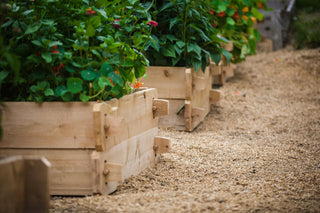
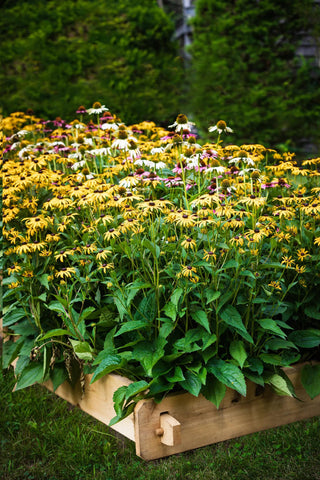
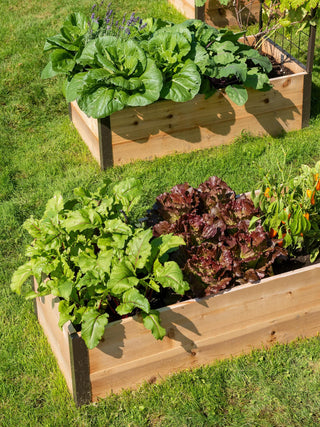
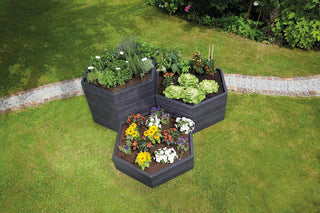
Raised garden beds are a great option for growing a variety of plants, including vegetables, herbs, flowers, and even small shrubs. Some popular options for vegetable gardening in elevated planters include lettuce, spinach, tomatoes, peppers, and cucumbers. For herbs, consider growing basil, parsley, chives, thyme, and mint. When it comes to flowers, you can plant a wide range of annuals and perennials, such as marigolds, petunias, geraniums, and daisies. When selecting plants for your elevated planter, it's important to consider the amount of sun and shade the planter will receive throughout the day, as well as the amount of soil and water needed by the chosen plants. Choose plants that are suitable for the climate in your area and ensure that the planter has proper drainage to prevent waterlogging. With a little bit of planning and care, you can create a beautiful and productive garden in your elevated planter.
If you are looking to plan a garden bed or just for garden ideas check out our garden planner and our collection of garden ideas.
If you are looking to plan a garden bed or just for garden ideas check out our garden planner and our collection of garden ideas.
How long do raised beds last?
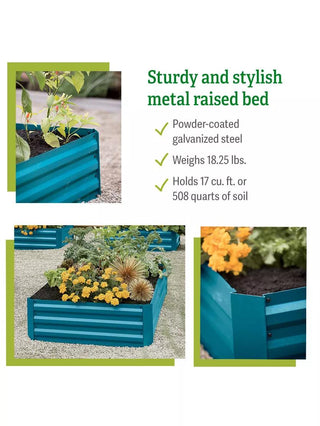
The lifespan of raised beds can vary depending on several factors such as the materials used, the level of maintenance, and the exposure to weather and other elements. Here are some general estimates for the longevity of different types of raised beds: Wood-raised beds: In general, a well-constructed and well-maintained wooden raised bed can last anywhere from 5 to 20 years. However, untreated softwood may only last for 3-5 years before rotting.Metal raised beds: Metal raised beds made of materials such as galvanized steel, aluminum or corten steel can last for decades, and often have a lifespan of 20-30 years or more.It's important to note that regular maintenance such as keeping the beds clean and free of debris and replacing deteriorating materials, can help extend the lifespan of your raised beds.
How to fill a raised garden bed?
When filling a raised garden bed, it's important to use a high-quality soil mix that provides the necessary nutrients and drainage for your plants. For optimal gardening success, we recommend using a mix of 60% topsoil, 30% compost, and 10% potting mix (soilless growing mix). However, the exact ratios may vary depending on your specific needs and the plants you plan to grow.To get more precise measurements for your raised garden bed, we recommend using our soil calculator. By inputting the dimensions of your bed, the calculator will provide you with the exact amount of soil mix you need to achieve the right depth and consistency. This will help you create a healthy and productive growing environment for your plants and ensure that you get the most out of your raised garden bed.
About Raised Beds
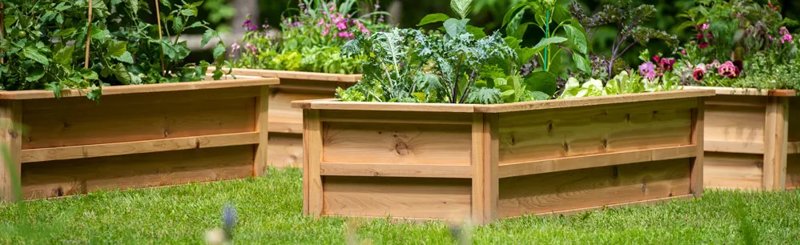
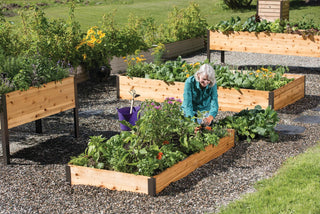
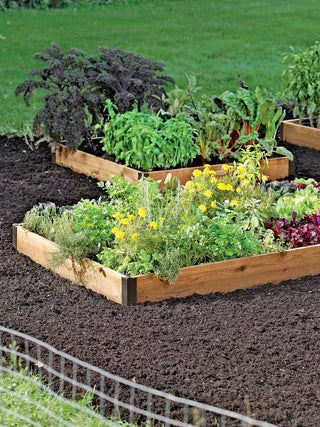
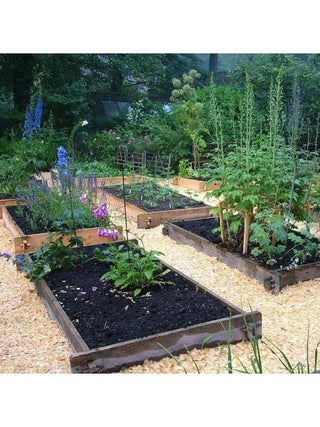
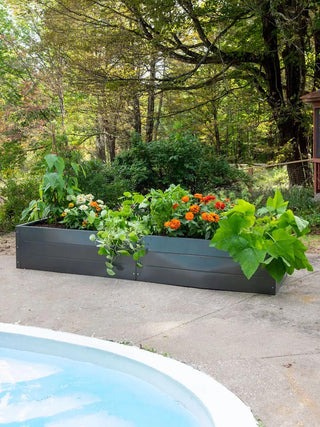
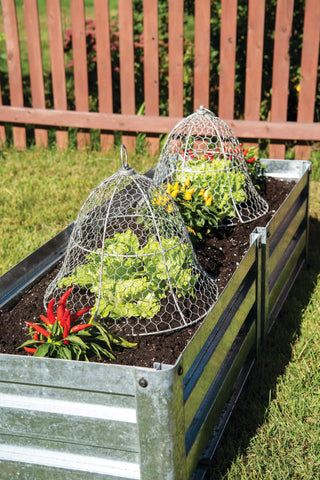
Raised garden beds offer numerous advantages over in-ground beds, making them a popular choice for gardeners of all skill levels. Not only are they easier to plant, weed, water, and harvest, but they also provide bigger and better yields in a smaller space compared to traditional garden rows....
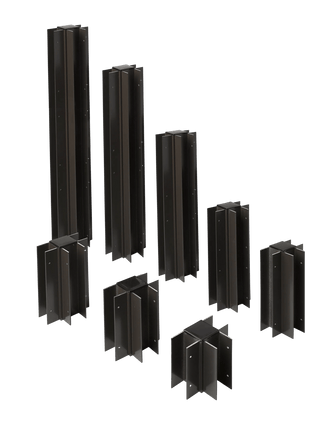
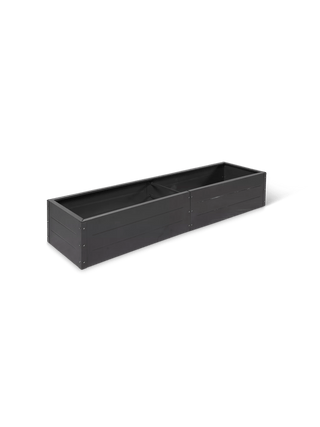
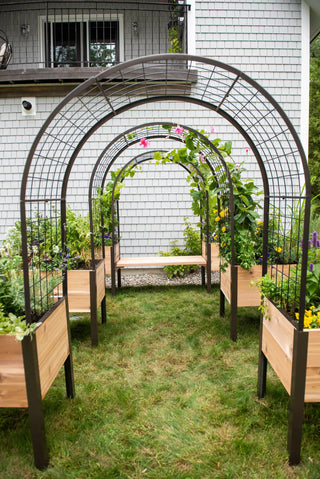
At Gardener’s Supply, we understand that maximizing space and productivity is crucial when it comes to gardening. That's why we offer a variety of high-quality raised bed frames in different sizes and materials, so you can find the perfect fit for your garden.
But it's not just about the structure of your raised garden bed – it's also about the techniques you use to make the most of the space. Our Garden Planner offers a square-foot gardening technique that's specifically designed for raised beds. By following this method, you can achieve fantastic results in your garden, no matter how much experience you have.
With our square-foot gardening technique, you can easily plan and organize your plants in a way that maximizes space and productivity. This means you can grow a wide variety of crops in a small area while minimizing waste and maximizing yields.
So if you're looking to start a raised garden bed or want to take your existing one to the next level, trust us to provide you with the tools and techniques you need for fantastic results.
Read more ?
