
Season Extenders





Related Searches
Season Extenders FAQs
Do raised bed gardens freeze faster?
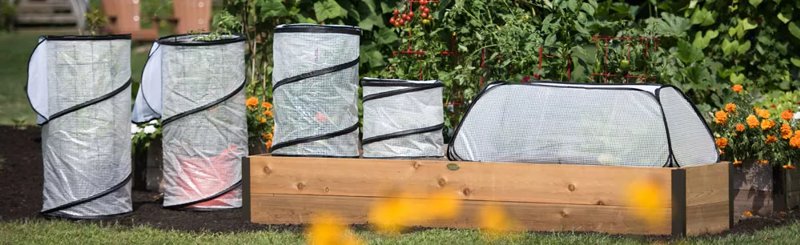
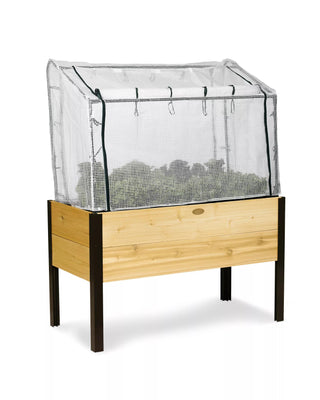
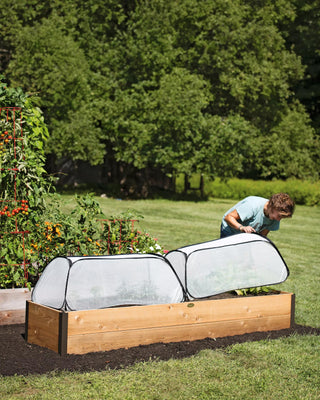
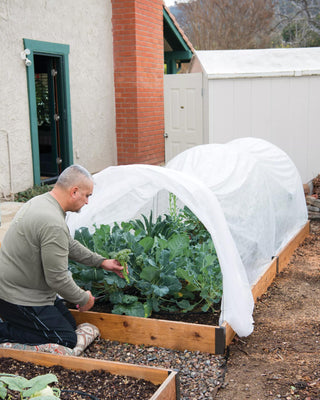
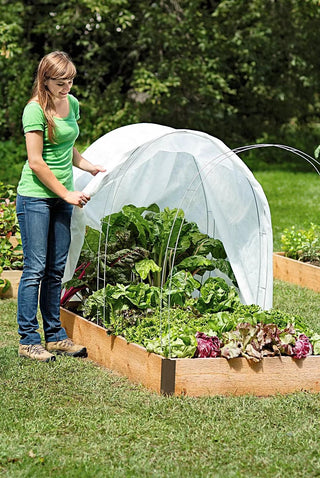
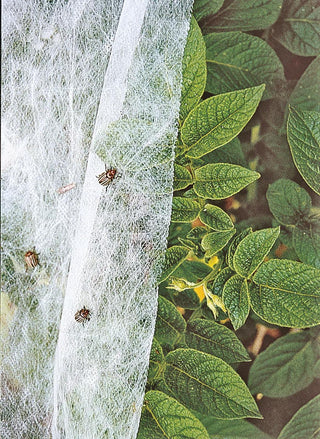
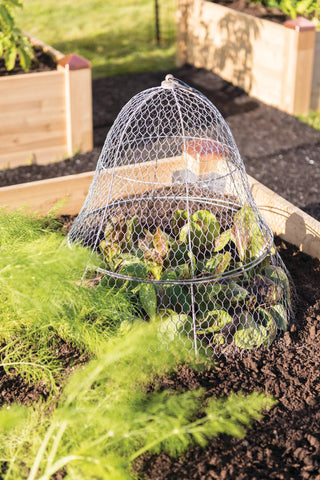
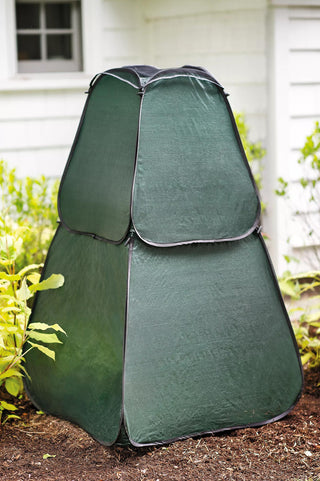
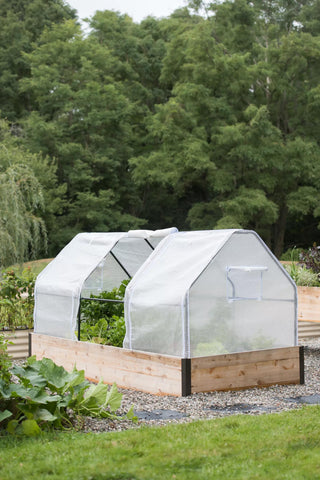
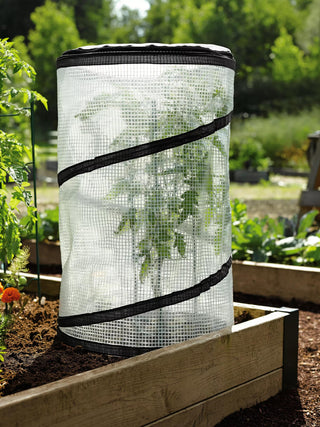
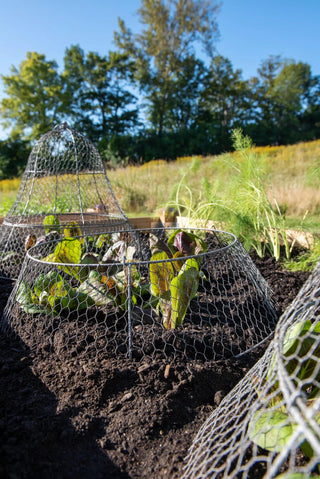
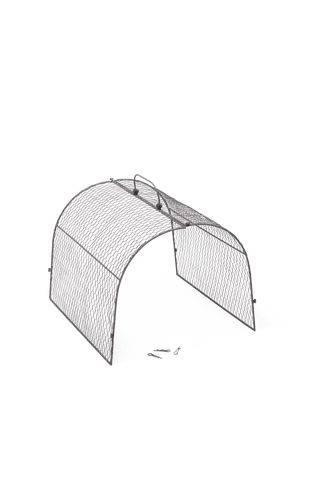
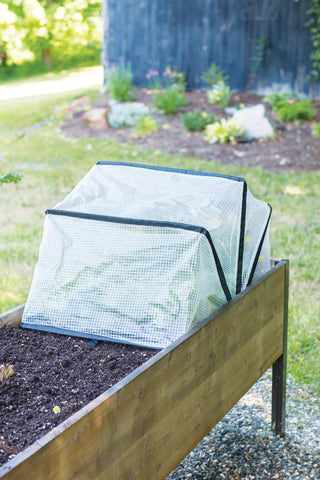
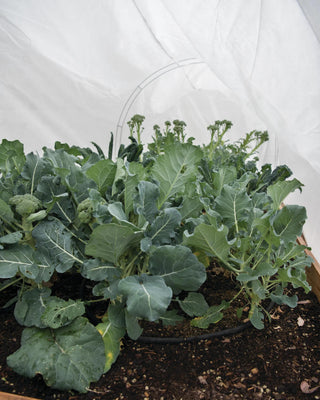
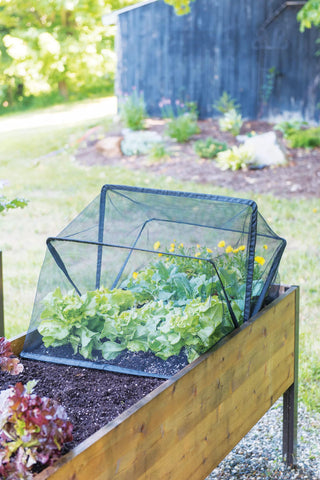
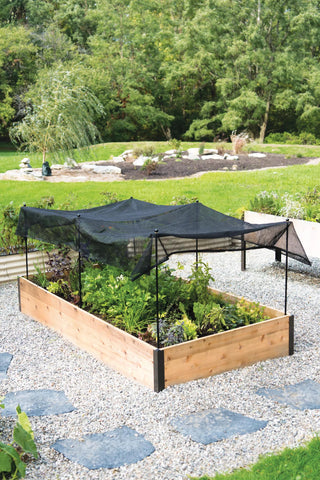
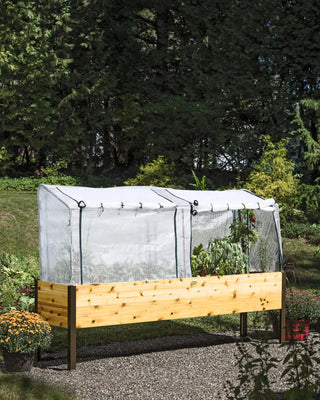
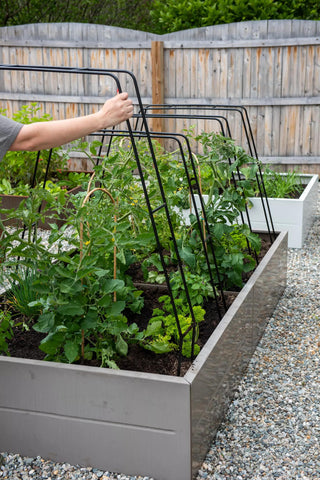
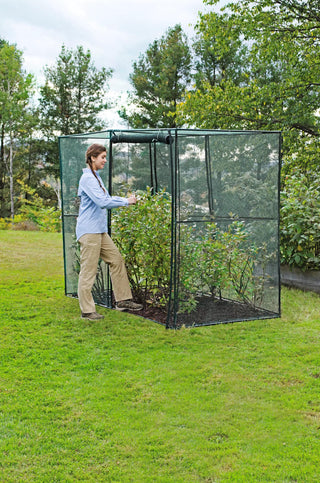
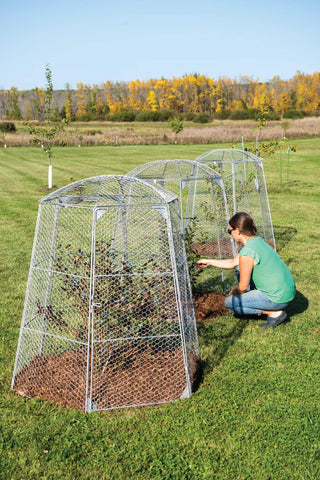
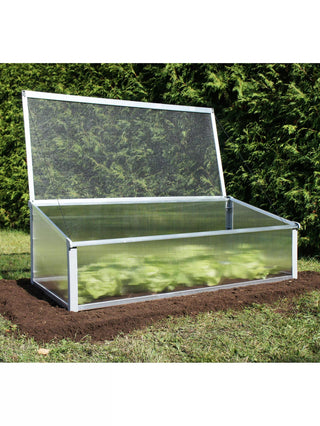
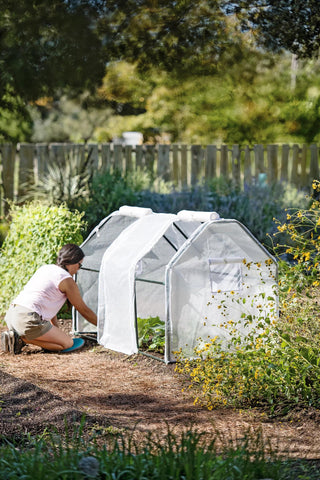
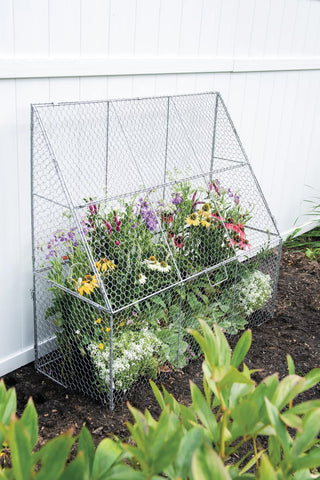
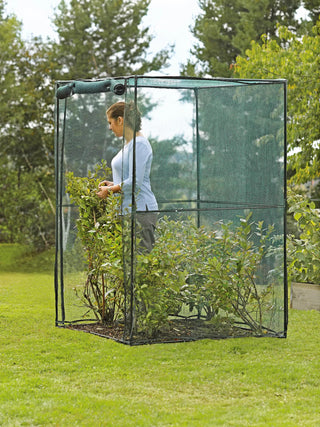
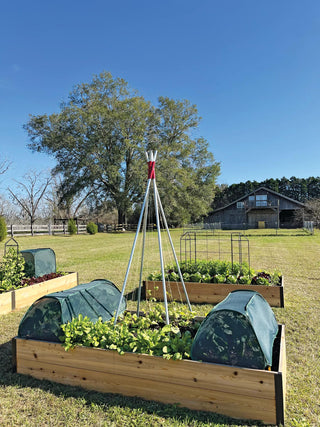
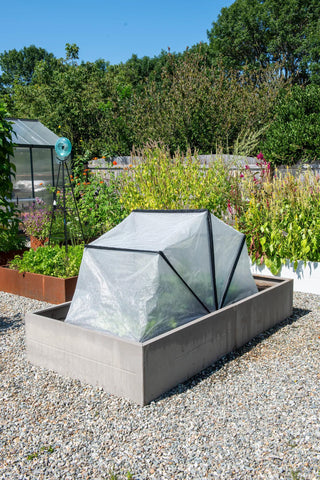
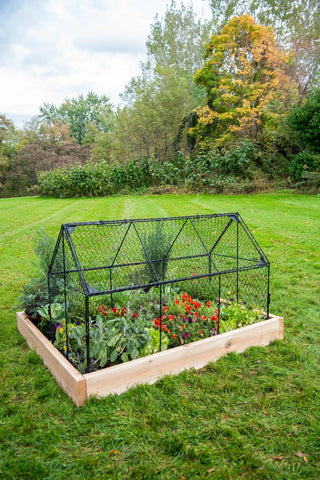
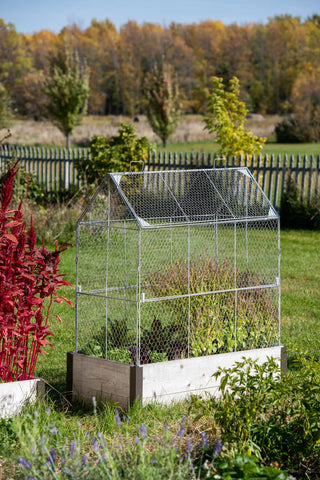
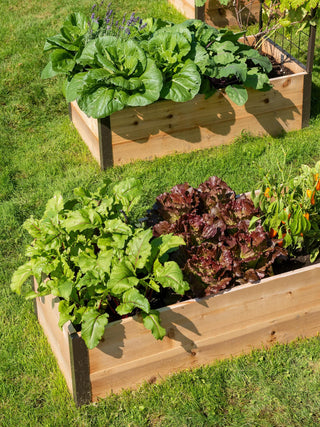
The soil in a raised bed will freeze before the ground freezes, but it will also warm and thaw more readily. To extend your growing season in a raised bed and insulate the soil from temp fluctuations, you can tent them or create mini greenhouses to start your plants sooner and help your plants produce further into the fall. Look at tents with greenhouse fabric, hoop houses, and cold frames to insulate your raised beds and protect them from changeable weather and pests.
How to protect potted plants over winter?
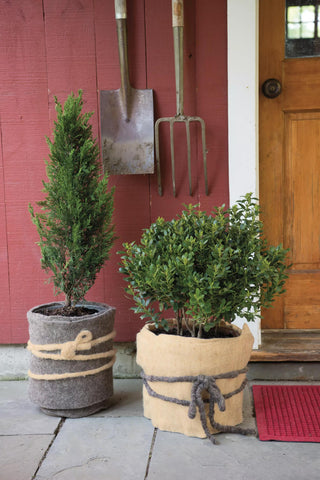
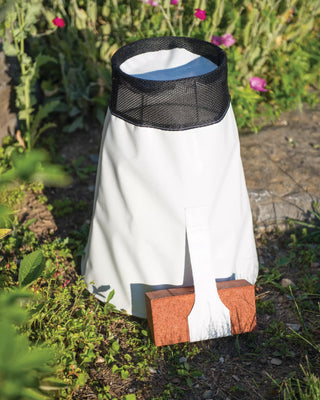
To protect your potted plants such as potted evergreens in winter, you will want to maintain an appropriate level of moisture (too much water can freeze roots and warp/break containers, and too little can lead to drying out) at least once a month you should check the soils moisture. You can cluster pots together and wrap the pots themselves. Thick wool wraps are great for this because of their natural insulation properties and the fact that wool is naturally mold resistant and hygienic. You may want to wrap evergreen shrubs in burlap or garden fabric so they can continue to breathe and be protected from cold and road salt. Mulching over the top of the soil is a good idea to maintain healthy moisture and further insulate roots. If you have a greenhouse that isn't being used this season it would be an ideal place to over-winter potted plants.
Can I grow all winter?
In many places, it gets too cold in the winter to grow plants outdoors, even in a greenhouse, without additional heat and light. Check your zone map, and if you plan to have a solid double-glazed paneled greenhouse, see what you would need to do to provide heat, airflow, and additional light all winter long. Otherwise, you may benefit from an indoor grow-light setup, where you can grow greens and herbs all winter in your home.
How much space do I need inside my plant protection?
You want to make sure that your plants and not too crowded, which could contribute to mold or other plant diseases, and that they can breathe. Keep in mind that air is excellent insulation. You also want to consider a working room, where you will have the space to get in there or reach in there to do any watering or maintenance that you need and that your plants need room to grow. Follow the spacing instructions for each plant ( on the seed packet or provided by the nursery) and make sure that you have cross ventilation. It is best to have vents that are at least 1/5th the area of the footprint.
