
Eight Steps to a Water-Wise Garden


Last updated: May 16, 2025 | 3 min read
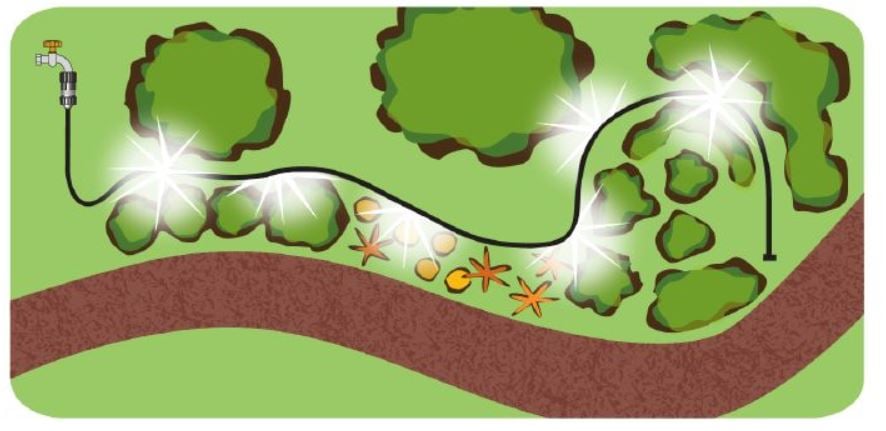
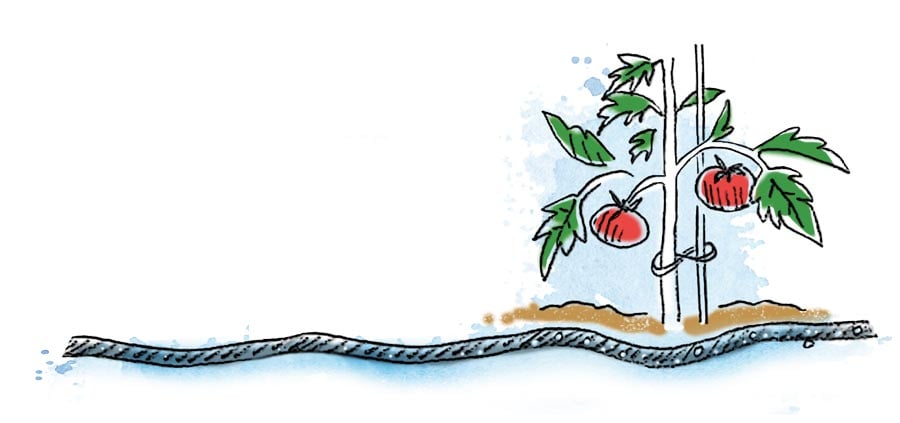 Soaker hoses deliver water to the root zone.
What are the two biggest users of water in your home? Toilets and landscape watering. In fact, during the summer, half of all household water use can be for the lawn and garden. However, it's possible to dramatically reduce your water consumption, lower your water bill and still have a beautiful, productive garden. Just follow these eight steps:
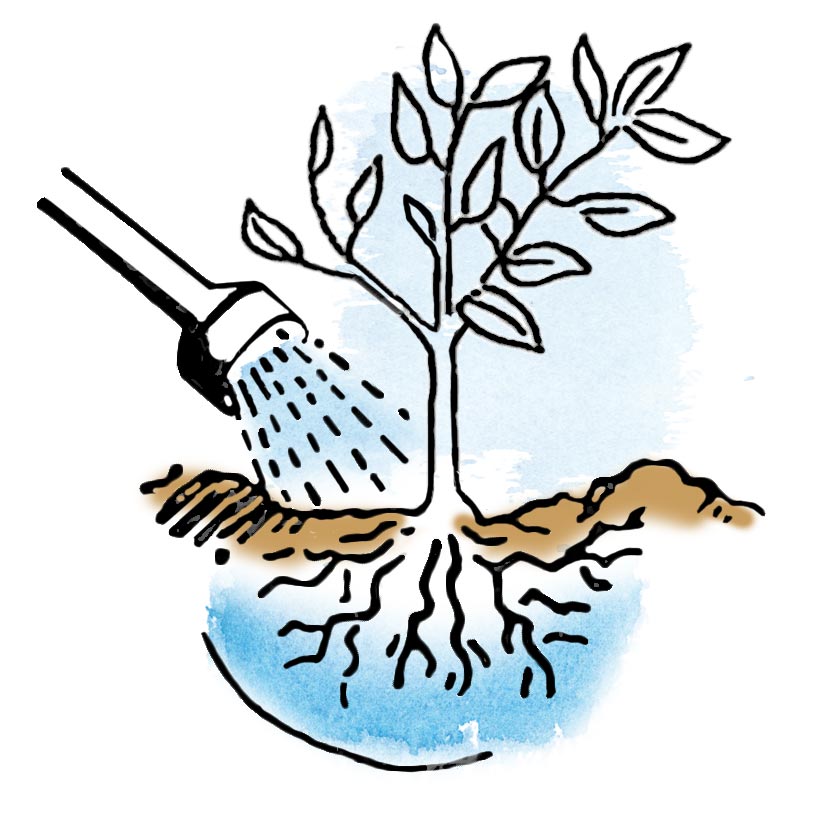
- 1. Add organic matter to your soil.
All soil is not created equal. Soil is essentially a collection of mineral particles of different sizes. If most of the particles are large (sand), water passes through rapidly. If most of the particles are small (clay), water will penetrate the soil much more slowly. The solution for either problem is the same: add organic matter. Organic matter, in the form of compost, chopped up leaves or composted manure will improve the texture and water-holding capacity of your soil. Add at least an inch of compost each year.
To learn more about improving your soil, read Building Healthy Soil.
- 2. Deliver water to the root-zone.
Soaker hoses ensure that up to 90 percent of the water you apply to your garden is actually available to your plants. Sprinklers can claim only a 40 to 50 percent efficiency. Drip irrigation and soaker hoses minimize evaporation loss and keep the areas between plants dry, which also helps limit weed growth. Our Aqua Cones are an economical and effective way to get water directly to the roots of individual plants.
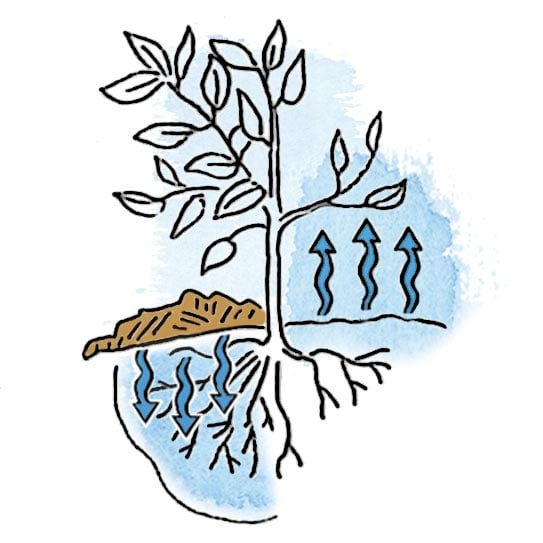
- 3. Use mulch to retain water.
A 6-8" layer of organic mulch can cut water needs in half by blocking thirsty weeds and reducing evaporation. Organic mulches retain some water themselves and increase the humidity level around plants.
Organic mulches include chopped or shredded leaves, straw, compost, salt hay, shredded newspaper, grass clippings and rotted hay. Inorganic mulches include Pro Weed Mat and Coco Fiber Tree Rings.
For more information about mulches, read Choosing the Right Mulch for Vegetable Gardens.
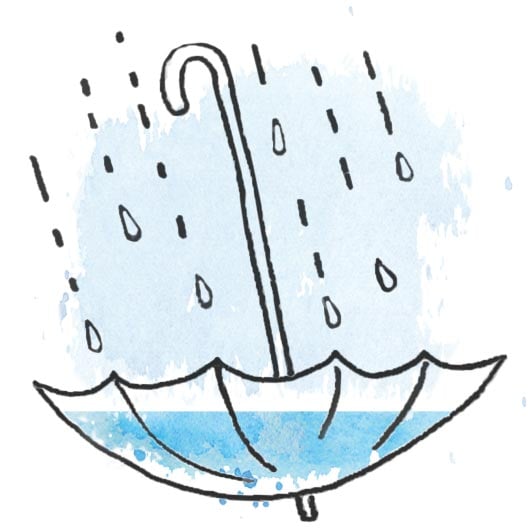
- 4. Use free water.
Rainwater is the best choice for your plants. It's clear, unchlorinated and free. Use rain barrels or a cistern to collect water from your downspouts. A 1,000 square foot roof will yield 625 gallons of water from one inch of rain. To figure out how much you can collect from your roof, use the Rainfall Harvest Calculator.
- 5. Choose plants carefully.
A plant that's satisfied getting most of the water it needs from natural rainfall will require a lot less work from you. For drought-tolerant perennials, choose varieties that are native to your area (or a region with a similar climate). These plants will have adapted to your climate and soils. For example, a plant that thrives in the Pacific northwest will likely require lots of additional water in the much drier conditions of Colorado.
- 6. Reduce your lawn.
Turfgrass is one of the most thirsty and labor-intensive types of "gardens" you can have. Consider planting groundcovers or low-maintenance perennials instead.
For more information, read Do More with Less Lawn.
- 7. Plan before you plant.
By planning your garden before you plant, you can take advantage of the characteristics of your site, such as sun, shade, wind and soil. Group plants with similar water needs. Also consider how your plants will get the water they need. Will you need to carry water to demanding plants in a remote corner of your yard? Planning will save you time and energy down the road.
For more plants that are well-suited to your area, call your local cooperative extension or talk to someone at a local garden center.
- 8. Take care of your plants.
Healthy plants need less water, fertilizer and pest controls than stressed plants. By keeping on top of tasks — such as weeding, thinning, pruning and monitoring pests — you'll water less frequently.
Plants & Water 101
During photosynthesis, green plants use water and carbon dioxide to make their own food. They take up water through their roots and transport it through the plant to the leaves.
Carbon dioxide is taken up through microscopic pores in the leaves called stomata. When the stomata are letting in carbon dioxide, water vapor escapes through a process called transpiration.
Transpiration cools the plant (kind of like perspiration). Water vapor can also condense on leaves and enter the plant through the stomata.
Water Facts
- Vegetable crops are 80 to 95 percent water
- Average garden soil will store two to four inches of water per foot.
- Growing crops need about one to two inches of water per week.
- An average-size tomato plant transpires about 30 gallons of water during a season.
- A corn plant transpires about 55 gallons from germination to harvest.
- One reason the air beneath a shady tree is cooler: It has a higher moisture content from the transpiration of nearby leaves.
Watch! Conserving Water in the Garden
Print this Article:
Get the Dirt
Stay up to date on new articles and advice. Please fill out the information below.