
Four Keys to Organic Gardening Success
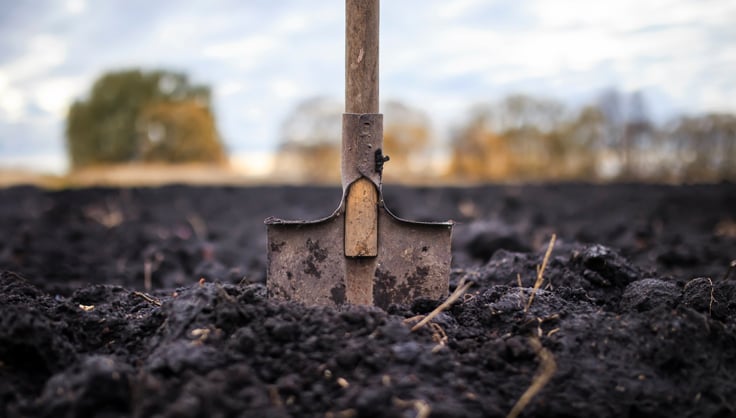
More people than ever before are gardening organically. This doesn't really surprise me. The more time you spend in the garden, the harder it becomes to ignore what's really going on out there: the incredible interconnections, the mind-boggling diversity, the delicate beauty and the high-octane intensity. It's humbling. And along with that humbling comes respect; the first and most important step to becoming a successful organic gardener. Here are three other things I always try to keep in mind:
Love Your Soil
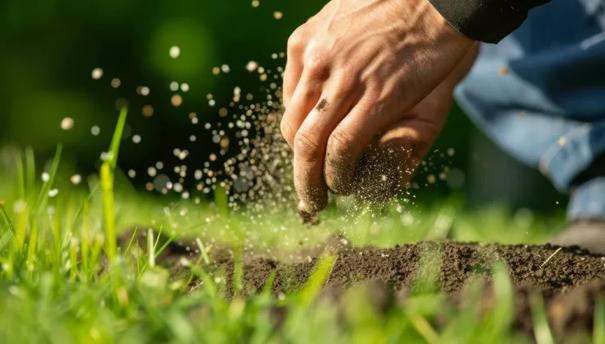
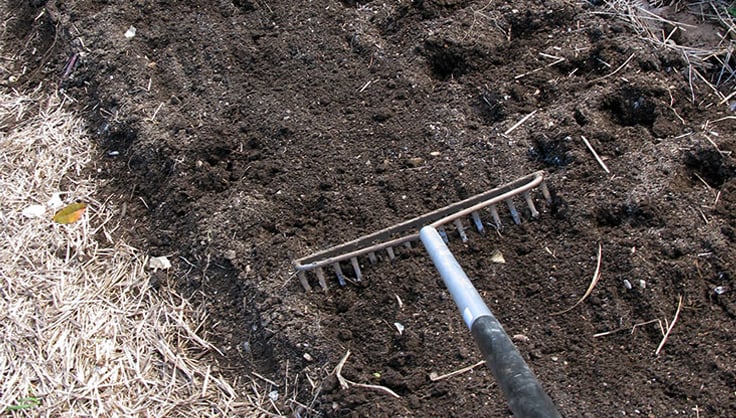
You might not love your soil right now, but with time and effort, all soil can be improved. Adding compost, leaf mold, seaweed, manure, or whatever organic matter and soil nutrients you have access to will eventually change the texture and fertility of your soil. As your soil improves, it will become dark and crumbly. Earthworms will take up residence there. The soil will teem with beneficial microbes and be rich with nutrients. It will retain moisture and be easy to work. Your plants will thrive. And along the way, I guarantee you'll come to love your soil.
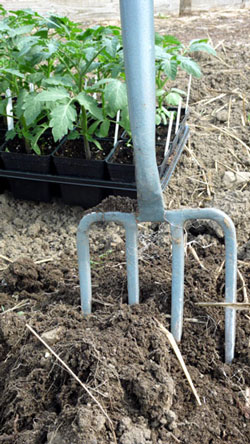 Add organic matter to your garden and you'll be rewarded with rich, crumbly soil that's packed with growing power.
A favorite quote of mine from the book Solar Gardening by Leandre and Gretchen Poisson says it best:
"Several years ago, we watched a television program about agriculture as it was being practiced in the province of Quebec. The program focused on how farmers couldn't make much money because the prices they received for their crops were too low when compared to their costs. These Canadian farmers were barely making a living despite the long, hard hours of physical labor they put in seven days a week. Part of the show featured an interview with a man whose family had been farming the same piece of land since they had first settled in Quebec. It was hard to tell the age of the farmer, since he was slightly stooped and had such a weathered face. The interviewer asked him the obvious question of why he had stuck with farming, even though it clearly was a hard life with little or no profit. The farmer reached down with a large, bony hand, picked up a handful of black, rich soil, and said, 'J'aime la terre assez pour en manger,' or, 'I love the soil enough to eat it.'"
Chill On the Bugs
It may require a leap of faith, but most bugs are good, not bad. And the good ones are absolutely essential. They process organic matter into usable plant nutrients; they pollinate plants; they feed the birds; and they eat other bugs.
Bad bugs are always lurking about, but in a healthy organic garden they rarely gain the upper hand. When they do, organic gardeners don't rush to douse them in chemicals. We step back, take a deep breath, and decide just how serious the problem really is. You have a few choices:
- Wait it out. Most pests have a very short life cycle and don't actually do that much harm.
- Deal with the worst offenders. Handpick and destroy the problem insects or carefully apply an organic pesticide that specifically targets the problem pest. For more information, see the Pest and Disease Finder.
- Check to see if the plants are under stress. Bugs rarely attack healthy, vigorous plants. A thorough watering and a dose of compost tea or water-soluble organic fertilizer might just do the trick.
Like the perky yet soulless cut flowers in most florist shops, and the blemish-free yet flavorless produce in most supermarkets, perfection has a price. Organic gardeners accept a few bumps and bruises because we'd rather have flowers that are vibrant and intensely fragrant; food that's fresh, nutritious and packed with flavor.
Coddle Your Plants
Imagine the plants in your garden as a classroom of first graders. Your job is to get to know each and every one of them and figure out their strengths, their weaknesses, and what they need to thrive.
In my garden, the most challenging "kids" are the eggplants. Through trial and error, I have found that if I keep them sheltered from the wind, well-fed, thickly mulched and convinced they're in Florida rather than Vermont, my plants produce spectacular, 2-pound, eggplants. Left to fend for themselves, they'd be stunted, chewed and fruitless.
Same goes for delphiniums. If I ignore them, they won't send up a single flower until their second year, usually peter out after their third, and are forever being attached by wind, pests and disease. But I manage to keep my delphiniums happy with lots of compost, weekly doses of liquid fertilizer, vigilant inspections for bugs and disease, and careful staking. When they're in bloom, those 5-foot spikes of blue are worth every minute I've spent caring for them.
Getting to know your plants and learning how to make them happy is half the fun of gardening. If the plant hates heavy soil, fork in some extra compost and sand. If the plant's a heavy feeder, feed it every two weeks during the spring and summer. If it hates wind, plant it in a sheltered location. If it prefers an acid soil, mulch with pine needles and side-dress with cottonseed meal.
As an organic gardener, I take great pleasure in knowing that I'm part of a quiet revolution: A reawakening to and a reconnecting with the natural world. Glad to know you're out there with me!
Last updated: 12/12/2022
Print this Article:
Related items

Related Articles
Get the Dirt
Stay up to date on new articles and advice. Please fill out the information below.