
How to Choose a Composter
Composting is an excellent way to keep kitchen scraps and yard waste out of the landfill AND create a nutrient-rich additive for your garden soil. And with all the types of composters available today, it has never been easier to create heaps of compost, fast! Let's break down the different types of composters:
| Types of Composters: |
Continuous Composters
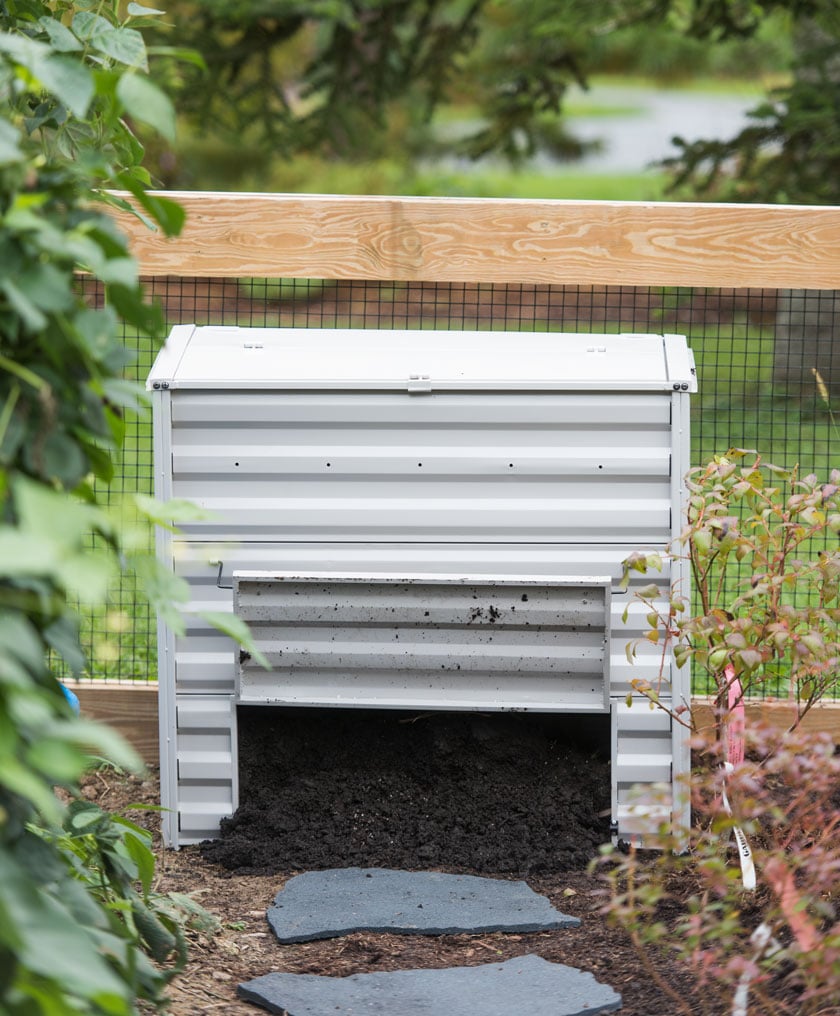
These enclosed bins are meant to handle a variety of material, from kitchen scraps to yard waste. They're called "continuous" because you can add material all the time. Compost is generated slowly. Usually the finished compost filters to the bottom of the bin and can be removed a few times a year. Because they are sealed with a lid, rodents and other critters are kept out.
Best for: Gardeners who want a place to toss kitchen scraps, garden weeds and some yard waste. Toss it and forget it!
Batch Composters
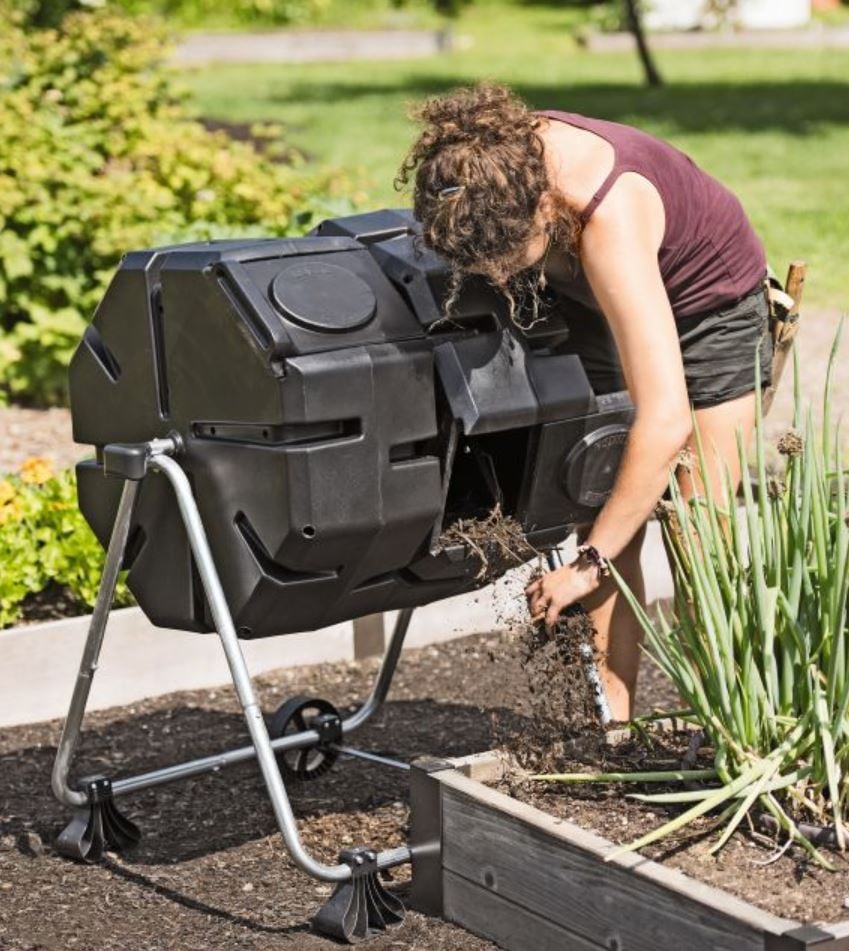
Tumbling action turns these composters into efficient, compost-accelerating machines. Each batch starts with a balanced mix of ingredients and cooks until it's done, which can be as little as four to eight weeks. A batch composter is the fastest way to create compost, but it needs to be turned daily and checked for sufficient moisture. While one batch is cooking, you stockpile the materials for the next batch. The stockpile can be an open bin, pile or a continuous composter.
Best for: Gardeners who want to get more compost faster and are willing to put in a bit more effort and planning.
Indoor Composters and Worm Bins
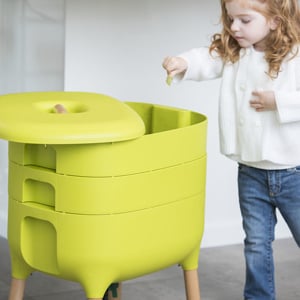
It's possible to make compost indoors, though it's on a smaller scale. With specially designed composters and worm bins, you can turn kitchen scraps into compost for houseplants and the garden.
Best for: People who want to compost kitchen waste. Worm bins are especially fascinating to young children — great for a classroom setting!
Multi-Bin Composters
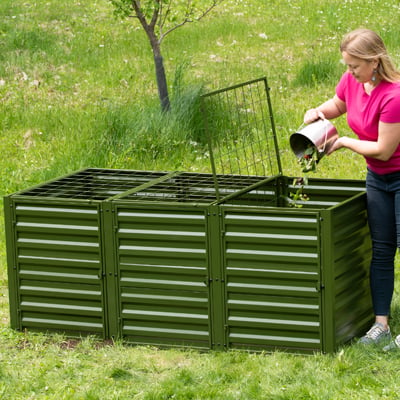
The beauty of a multi-bin composter is that you can pull finished, ready-to-spread compost from one end of the system, while continuing to add new kitchen and yard scraps to the other. When composting in a single bin, the continuous addition of fresh kitchen and garden scraps slows the decomposition process down. Using multiple bins allows you to optimize the breakdown journey of your scraps from whole organics to nutrient-rich finished compost.
Best for: Gardeners looking to compost A LOT of kitchen and yard scraps
Print this Article:
Get the Dirt
Stay up to date on new articles and advice. Please fill out the information below.