
Using Garden Fabric (Row Covers)
Cold? Heat? Insects? Row covers can protect from it all.
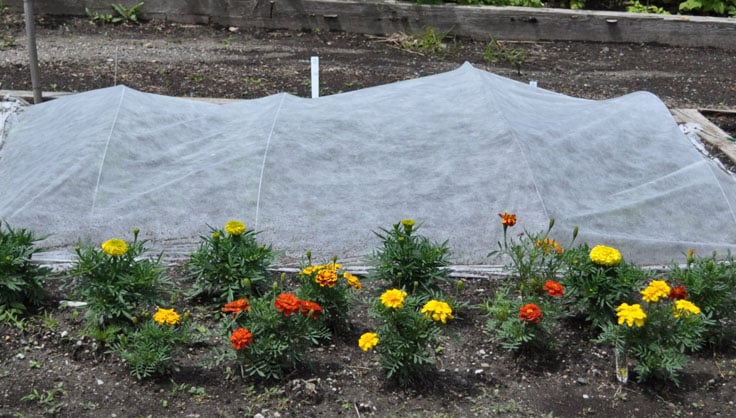 Specially designed fabrics, such as this All-Purpose Garden Fabric , are often used to protect against frost, but they're also effective in blocking insects (and birds) or reducing the intensity of the sun. It's a good idea to keep several types of fabric on hand. Use Super Hoops to support the fabric.
Garden fabric (also known as row cover or floating row cover) is a good addition to any gardener's tool shed because it can be used in so many ways:
- Protect plants from cold and wind
- Block insects and prevent spread of disease
- Keep soil and plants from overheating
Garden fabric is easy to use: You can drape the cover right over garden plants or use hoops or a wooden frame to support it. Secure the edges of the fabric with soil or use Earth Staples.
Row Cover Options:
All-Purpose Garden Fabric
Our All-Purpose Garden Fabric is a polypropylene garden cover that transmits 70 percent of available light. It keeps heat in, bugs out, and is an excellent windbreak for young transplants. It allows rain and overhead irrigation to reach plants and soil.
All-Purpose Garden Fabric will protect plants from frost damage down to 28 degrees F. The fabric can be cut with scissors to fit over conventional-width rows or used as-is for wide-row plantings. When not being used, the material should be folded and stored away from sun and moisture.
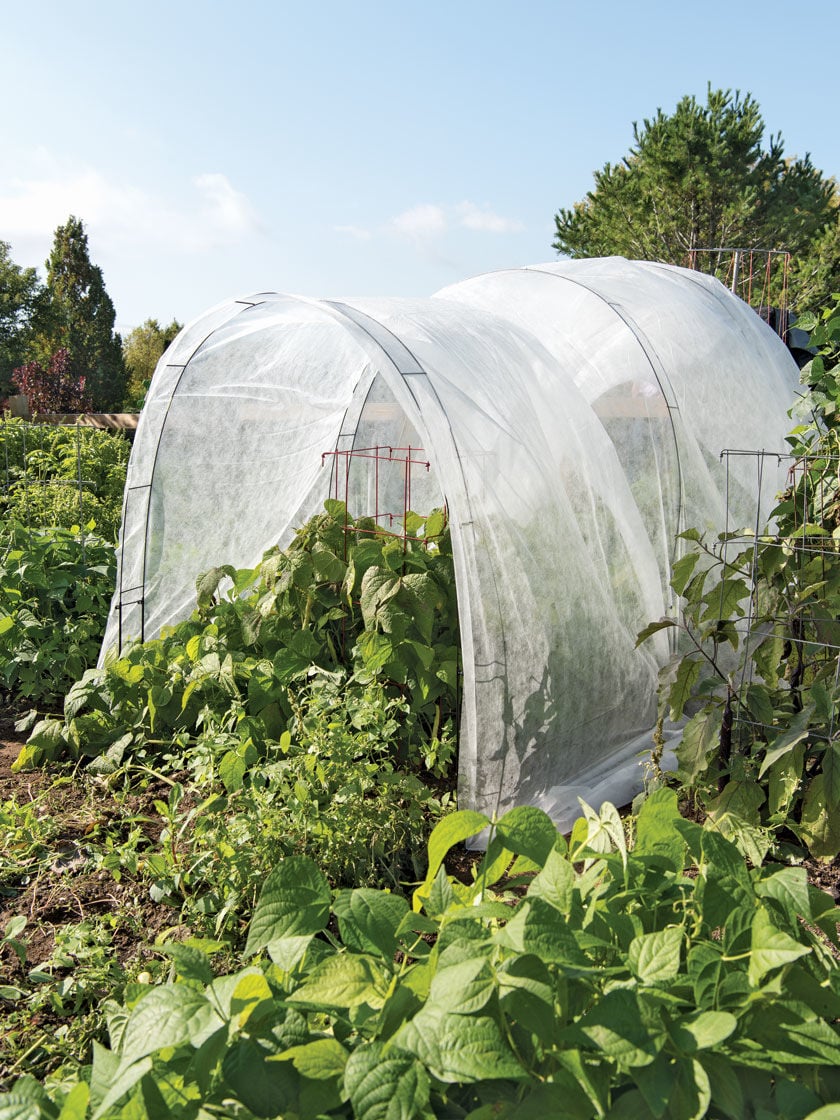 All-purpose garden fabric is a versatile row cover that provides 70% light transmission
Summerweight Fabric
Summerweight Fabric is a lightweight garden cover that does not trap as much heat as the All-Purpose Garden Fabric and can be used all season to defend your crops against birds, insects, and the spread of insect-borne diseases. It transmits up to 85 percent of available sunlight and will not block rain or overhead irrigation. This cover should not be used for frost protection.
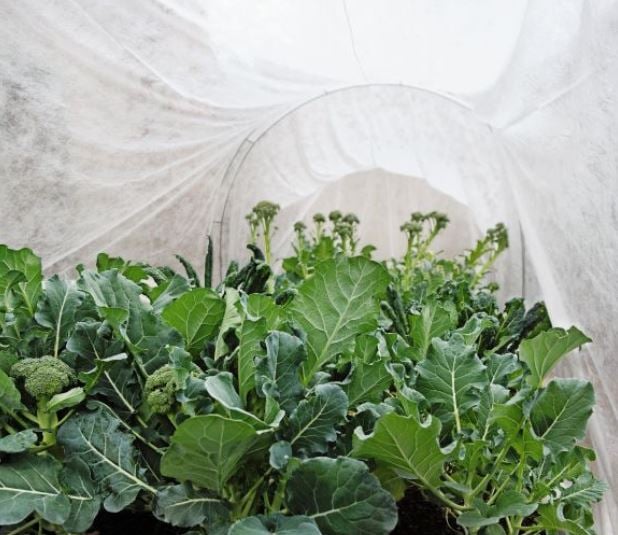 Summerweight fabric forms a barrier between insects and susceptible plants but don't trap much heat.
GardenQuilt
GardenQuilt is a thicker version of our All-Purpose Fabric, consisting of polypropylene fibers that transmit 60 percent of available light. GardenQuilt provides excellent frost protection (down to 24 degrees F.). The thick fabric is ideal for extending the growing season into early spring and late fall, or for insulating strawberries, herbs, perennials, small fruits, and other tender landscape plants all winter long.
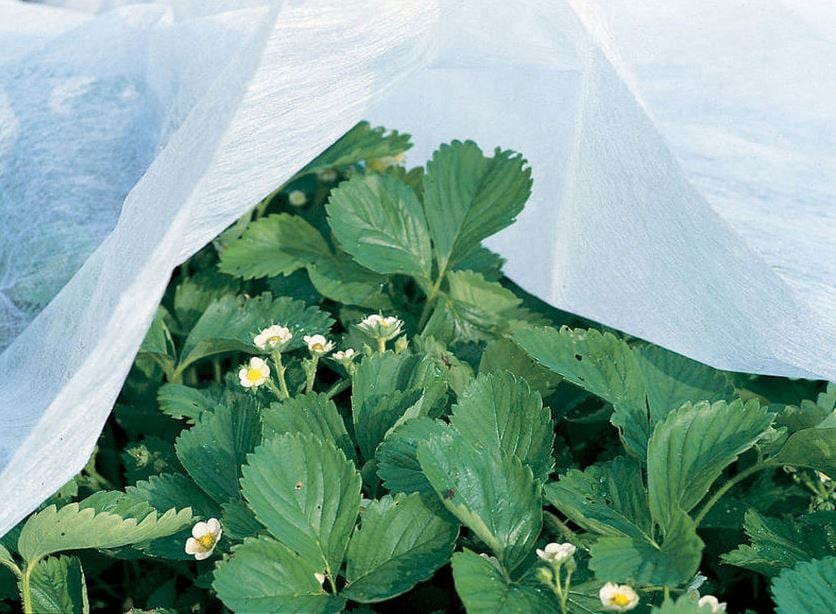 GardenQuilt provides frost protection down to 24 degrees F.
Shade Netting
Hot, summer sun can affect the lush, moist flavor of homegrown lettuce, making it bitter; a few days of hot sun will make lettuce bolt to seed, ruining it for the season. These UV-stabilized polyethylene shade net cuts summer sun by 50 percent, while allowing cool air to circulate freely. Use fiberglass hoops to support the fabric; secure it with clothespins.
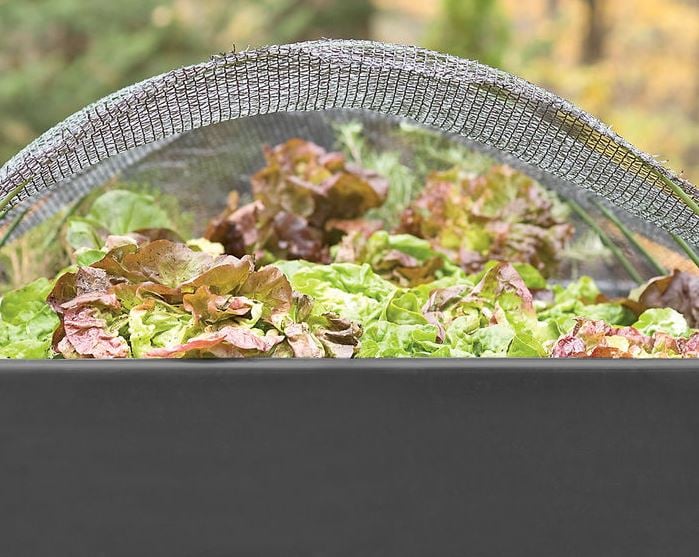 Shade netting is especially useful when starting late-season crops at the end of the summer.
How to Use Garden Fabric in Spring
Prepare the soil and seed the area or plant your transplants. Place the GardenQuilt or All-Purpose fabric directly on the ground or drape it over hoops. We recommend using support hoops for larger transplants, such as peppers or tomatoes, or when covering maturing crops later in the season. If you lay the row cover directly on the soil, do not stretch the material tight. Leave some slack in the center to allow for expansion as the plants develop. As the crop grows, it will push the cover up. Mound soil over the edges of the fabric to keep the cover in place or, fold the edges under 3″ and anchor it with Tall Earth Staples by pushing them through the fabric and into the soil.
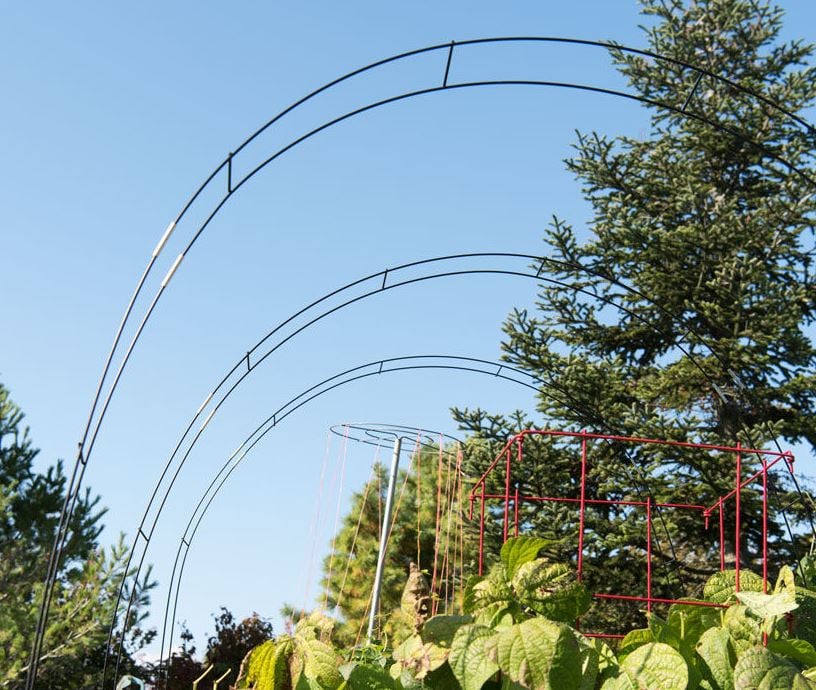 Adjustable Super Hoops can be used to support all types of garden fabric.
If you are using support hoops, be sure to pull the cover taut over the hoops and bury the edges well to keep the fabric secure during windy days. You can also clip the fabric to the hoops with clothespins if wind is a problem.
Seedlings should be monitored for moisture and fertilizer needs. Pull back or remove the cover for thinning or weeding.
As the weather warms up, check your plants to make sure they're not overheating. This is especially important when it comes to cool-weather plants, such as lettuce and broccoli. Remove the cover if you see signs of overheating, such as wilting, leaf damage and/or blossom drop.
Once your seedlings have adapted to the outdoors and the threat of frost has passed, you may remove the All-Purpose Garden Fabric or GardenQuilt from the beds. For insect protection throughout the growing season, use Summerweight Fabric, which can be left in place until harvest.
Pollination — Don't Forget the Bees!
Crops such as peas, strawberries, beans, pumpkins and squash require pollination to produce a harvest. If these crops are still covered with fabric when they begin to flower, remove or temporarily lift fabric from the beds during the day to allow bees to do their work. Self-pollinating plants, such as tomatoes, can be left covered. However, be aware of the temperature under the covers. At temperatures above 85 degrees F., tomato pollen may become sterile and peppers will not set fruit. You may need to lift the covers during the day to release excess heat.
Insect Protection
Garden fabric will keep most insect pests away from your crops as long as plants are completely covered and the edges are securely pinned to the ground. They’ll block aphids, potato beetles, Japanese beetles, grasshoppers, leaf miners, cabbage worms, root maggots, and some vine borers.
Pest problems can still occur if insect eggs were laid before the fabric was applied, or insects emerge from the soil. Insects may also have been introduced when new seedlings were transplanted. A careful examination of the leaves' undersides will indicate insect activity. If an infestation has occurred, spray with an organic pesticide, or remove the infected plants. Replace covers to keep future insects out. Garden fabrics help break the life cycle of many insects and can help prevent re-infestation the following season.
Using Garden Fabrics in the Summer
Intense sunlight and hot temperatures can make it challenging to germinate new seeds, establish tender seedlings and keep cool-weather crops, such as salad greens, from bolting and becoming bitter. Covering parts of the garden with shade netting will keep soil and leaf temperatures cooler and will also cut moisture loss. Germination will improve, as will the growth of young plants. Shade netting works best when it's supported over plants by hoops or another type of support to maintain good air circulation around the plants.
Late-Season and Winter Crop Protection
In the fall, garden fabric can be draped over cold-sensitive crops, such as tomatoes or peppers. Unroll the fabric over the row and secure the edges with Earth Staples. For winter protection of tender perennials, we recommend GardenQuilt. Gardeners who experience mild winters should support covers with hoops or some other support device to keep new growth from coming into contact with the fabric. When covering tender perennials, wait until the first hard frost, then cut back any dead foliage and mulch around the plants with straw or grass clippings. Then cover the plants.
Reusing Garden Covers
Most covers will last one or two seasons. Some, such as GardenQuilt and Shade Netting, will last much longer. You can extend their life by keeping the edges pinned securely, and in windy areas, securing the fabrics tightly over hoops. When not in use, garden fabric should be folded and stored away from sun and moisture. After they become worn, you can repurpose them in many ways:
- Lay pieces of garden fabric over newly seeded lawns to prevent erosion of seed and soil.
- Place covers under bark mulch or soil to act as a weed barrier.
- Cover your favorite flowering annuals during cold fall nights to extend the growing season.
Print this Article:
Get the Dirt
Stay up to date on new articles and advice. Please fill out the information below.